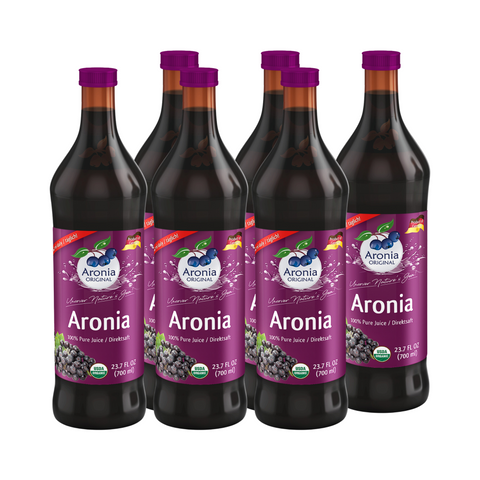

Aronia berries, often hailed as a superfood, are bursting with nutrients vital for growing bodies and developing minds. Packed with antioxidants, vitamins, and minerals, these little berries can play a big role in supporting a child’s immune system, improving digestion, and even enhancing cognitive function. Their high antioxidant content, notably anthocyanins, fights free radicals, reducing the risk of chronic diseases and supporting overall health.
In This Article
- Aronia berries are safe for children and packed with vitamins and antioxidants
- The tart taste can be masked by mixing with sweeter fruits, yogourt, or baking
- Start with small amounts — a teaspoon of powder or a splash of juice
- Aronia smoothies, muffins, and berry-topped yogourt are kid-approved favourites
Making Aronia Berries Kid-Friendly
Smoothie Magic
One of the simplest ways to introduce aronia berries into a child’s diet is through smoothies. A handful of these berries can transform the nutritional profile of a smoothie, adding a vibrant colour and a wealth of health benefits. Combining aronia berries with other fruits like bananas or strawberries can mask their tartness, making a delicious drink kids will love.
Creative Snacks
Aronia berries can also be incorporated into various snacks. Think outside the box and create aronia berry fruit leathers, a healthier alternative to store-bought fruit snacks. Mixing aronia berries into yogourt or oatmeal is another easy way to add a nutritional punch to everyday foods.
Baking with Berries
Baking is another excellent method to introduce aronia berries into kids’ diets. Substitute traditional berries with aronia berries in muffins, pancakes, or waffles. Not only do they add nutritional value, but they also introduce a new flavour profile that can be a fun experiment for the taste buds.
Engaging Kids with Aronia Berry Gardening
Involving children in growing their own aronia berries can be a fun and educational way to encourage healthy eating habits. Starting a small garden project teaches kids about the lifecycle of plants and the importance of eating fresh fruits and vegetables. It’s a hands-on activity that can spark an interest in nature and science, while the anticipation of the berries they’ve grown themselves may make kids more excited to try them.
Aronia Berry-themed Educational Activities
Creating educational activities around aronia berries can also be a great way to incorporate them into kids’ diets. For instance, developing simple, illustrated storybooks that narrate a tale of aronia berries’ journey from garden to table can captivate children’s imagination and pique their interest in trying the berries. Additionally, organizing a cooking day where kids can make their own aronia berry recipes teaches them about cooking and nutrition, making the experience of eating aronia berries more memorable and enjoyable.
Conclusion
Incorporating aronia berries into children’s diets not only boosts their nutritional intake but can also be a gateway to learning about health, cooking, and gardening. With a little creativity, these nutritious berries can become a favourite among kids, as plant-based RTD shakes for kids, fostering a lifetime of healthy eating habits.
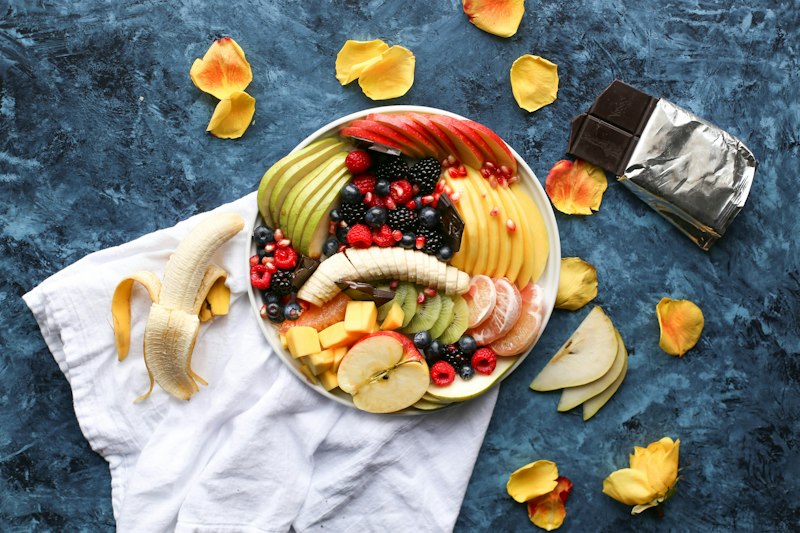
Smoothie bowls with aronia powder are a fun, kid-friendly way to boost antioxidant intake.
Explore our range of organic aronia berry products — from pure juice and powder to dried berries.
Shop All Products


Age-Appropriate Serving Guide
Children of different ages have different nutritional needs and taste preferences. Here is a practical guide for introducing aronia berries at each stage of childhood development.
Toddlers (Ages 1-3)
For the youngest eaters, start very small. Mix half a teaspoon of aronia powder into applesauce, mashed banana, or full-fat yogourt. The natural sweetness of these foods helps balance the tartness of aronia. At this age, avoid giving whole dried berries as they may pose a choking risk. Stick to powder or a splash of diluted juice (one part aronia juice to four parts water). Offer aronia foods 2-3 times per week initially and watch for any sensitivities.
Preschoolers (Ages 4-6)
Children in this age group are developing their palates and are often more willing to try new flavours when presented in a fun way. Try aronia berry popsicles made with blended aronia juice and banana, or stir a teaspoon of powder into their morning oatmeal with a drizzle of maple syrup. Dried aronia berries can be introduced in trail mix alongside raisins and sunflower seeds. A daily serving of one teaspoon of powder or 25 ml of diluted juice is appropriate.
School-Age Children (Ages 7-12)
Older children can handle the tart flavour better and may even enjoy it. Increase the serving to 1-2 teaspoons of powder in smoothies, 50 ml of juice (diluted or mixed with apple juice), or a small handful of dried berries as a snack. This age group often enjoys helping in the kitchen, so involve them in making aronia berry muffins or energy balls. The sense of ownership over the recipe makes them more likely to enjoy the result.
Teenagers (Ages 13-17)
Teenagers have higher antioxidant needs due to rapid growth and increased exposure to environmental stressors. They can consume adult-level portions: 50-100 ml of juice daily, 1-2 tablespoons of powder in smoothies, or dried berries mixed into granola. Many teens enjoy smoothie bowls topped with dried aronia berries, chia seeds, and sliced fruit.
Why Aronia Berries Are Ideal for Growing Children
Aronia berries offer a nutritional profile that is particularly well-suited to children's developmental needs. They are rich in vitamin C, which supports immune function — especially important during the school year when children are frequently exposed to seasonal illnesses. A 100 ml serving of aronia juice provides approximately 20% of a child's daily vitamin C requirement.
The anthocyanins in aronia berries, the same pigments that give them their deep purple colour, are powerful antioxidants that support cellular health. Research suggests these compounds may also support cognitive function and concentration, which can benefit children during school hours. Additionally, aronia berries contain dietary fibre that supports healthy digestion, and minerals like potassium and iron that are essential during periods of rapid growth.
Unlike many commercial fruit snacks marketed to children, aronia berry products contain no artificial colours, flavours, or added sugars when purchased in their pure form. This makes them an excellent alternative to processed snacks that often contain excessive amounts of refined sugar.
Practical Tips for Picky Eaters
Many parents find that their children are initially hesitant about the tart taste of aronia berries. Here are some tried-and-tested strategies for overcoming this challenge.
The most effective approach is to start with very small amounts hidden in familiar foods. A quarter teaspoon of aronia powder stirred into chocolate pudding, for example, is virtually undetectable but still provides antioxidant benefits. Gradually increase the amount over several weeks as your child becomes accustomed to the flavour.
Another successful strategy is to make aronia berries part of a fun food activity. Let children create their own smoothie combinations using aronia powder as one ingredient among several. When kids have control over what goes into their food, they are significantly more open to trying new ingredients. Purple smoothie bowls are especially popular because children enjoy the vibrant colour.
Baking is another excellent gateway. Aronia powder can be added to pancake batter, waffle mix, or muffin recipes without dramatically altering the taste. The baking process mellows the tartness while retaining most of the nutritional benefits. Try adding one tablespoon of aronia powder to a standard batch of banana muffins or blueberry pancakes for a nutritional boost your children will not notice.